
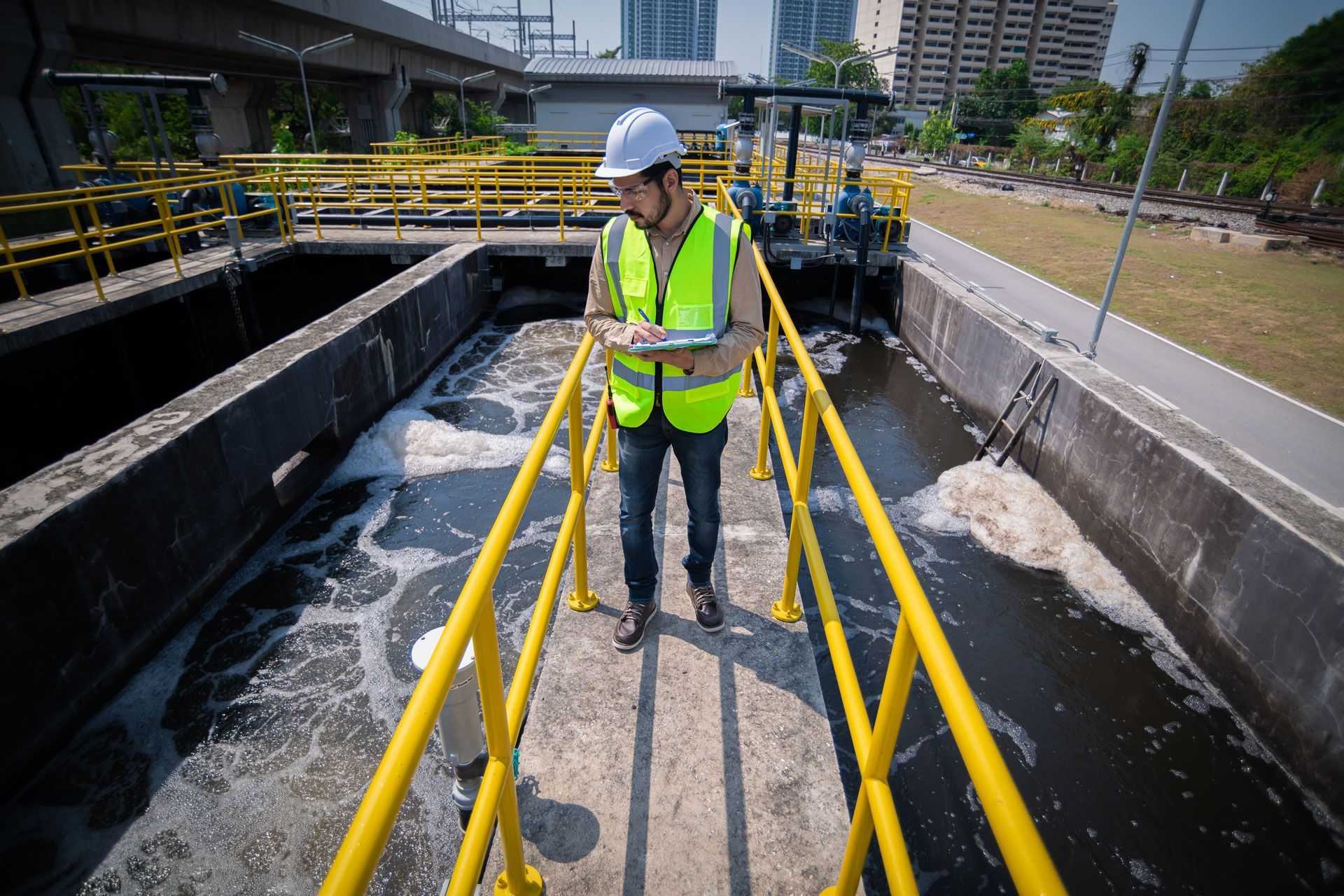
Wastewater Collection & Treatment in Torrington, WY That Protects Public Health
Wastewater collection and treatment keep South Torrington healthy and protect local waterways. South Torrington Water & Sewer District
oversees the wastewater collection system that carries used water from homes and businesses through underground pipes toward treatment. Effective wastewater collection and treatment in Torrington, WY removes harmful contaminants before water is returned to the environment, safeguarding groundwater, the North Platte River valley, and the community.
Contact South Torrington Water & Sewer District to learn more about wastewater collection and treatment in Torrington, WY.
How Wastewater Collection Works
Wastewater collection begins the moment water leaves a sink, shower, toilet, or washing machine.
Private Laterals
Wastewater first travels through each property's private sewer lateral to the public main.
Gravity Sewer Mains
Most wastewater collection systems rely on gravity, with pipes sloped so wastewater flows downhill toward treatment.
Lift Stations
Where terrain prevents gravity flow, lift stations pump wastewater to a higher elevation so it can continue through the system.
Manholes and Access Points
Manholes allow crews to inspect, clean, and maintain the wastewater collection network.
How Wastewater Treatment Works
Wastewater treatment removes solids, organic material, and pathogens so treated water can be safely discharged.
Preliminary Treatment
Screens and grit removal capture rags, debris, and sand that could damage equipment.
Primary and Secondary Treatment
Settling removes heavier solids, while biological processes use microorganisms to break down dissolved organic material.
Disinfection and Discharge
Treated water may be disinfected before release. Discharges in Wyoming are regulated under Wyoming Pollutant Discharge Elimination System permits administered by the Wyoming Department of Environmental Quality.
Preliminary Treatment
Screens and grit removal capture rags, debris, and sand that could damage equipment.
Call South Torrington Water & Sewer District with questions about wastewater collection and treatment in Torrington, WY.
Protecting the Wastewater Collection and Treatment System
Wastewater collection and treatment systems are designed for specific materials. What enters the system affects its performance.
Items That Should Never Be Flushed
Wipes, feminine hygiene products, paper towels, and dental floss clog pipes and pumps in the wastewater collection system.
Grease, Oils, and Fats
Grease buildup is a leading cause of sewer blockages and overflows. Dispose of cooled grease in the trash.
Medications and Chemicals
Many treatment processes are not designed to remove pharmaceuticals or household chemicals. Use take-back programs and hazardous waste collection instead of drains.
Commercial Pretreatment
Restaurants and certain businesses may need grease interceptors or other pretreatment to protect wastewater collection and treatment processes.
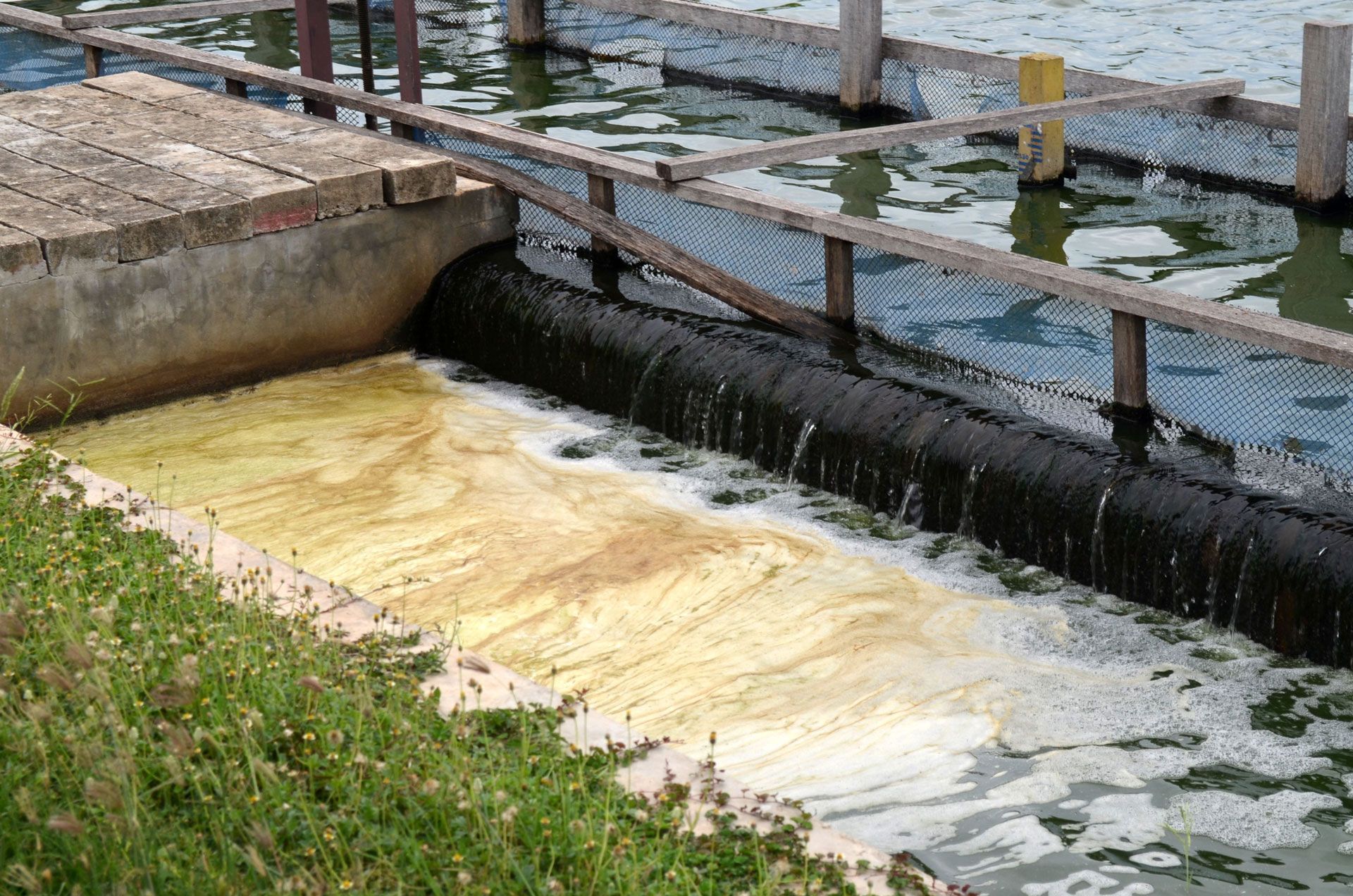
Inflow and Infiltration
Clean water entering the sewer system adds unnecessary volume to wastewater collection and treatment.
[01]
Sources of Inflow
Roof drains, sump pumps, and yard drains connected to the sewer send stormwater into the system, which can overwhelm capacity during storms.
[02]
Sources of Infiltration
Groundwater can seep into cracked pipes and deteriorated manholes. Repairing these defects keeps wastewater collection efficient.
[03]
What Property Owners Can Do
Disconnect any illegal stormwater connections and repair damaged laterals to reduce the load on wastewater collection and treatment.
Reach out to South Torrington Water & Sewer District to report a wastewater collection issue in Torrington, WY.
Wastewater Collection & Treatment FAQs
What is wastewater collection?
Wastewater collection is the network of laterals, mains, lift stations, and manholes that carries used water from properties toward treatment.
Where does South Torrington wastewater go?
Wastewater travels through the district's collection system for treatment. Contact the district for details about treatment for your area.
Who regulates wastewater treatment in Wyoming?
The Wyoming Department of Environmental Quality administers discharge permits under the Wyoming Pollutant Discharge Elimination System.
What is a lift station?
A lift station pumps wastewater uphill where gravity alone cannot move it through the collection system.
Why can't I flush wipes?
Wipes don't break down and can clog pipes, pumps, and treatment equipment.
Can I pour grease down the drain with hot water?
No. Hot water only moves grease farther into the system, where it cools and hardens.
How should I dispose of old medications?
Use pharmacy or law enforcement take-back programs rather than flushing.
What is inflow and infiltration?
Inflow is stormwater entering through improper connections, and infiltration is groundwater seeping into damaged pipes. Both add unnecessary volume to treatment.
Do businesses need grease traps?
Food service businesses commonly require grease interceptors. Contact the district for requirements.
What happens during a sewer overflow?
Crews respond to stop the overflow, clean the area, and identify the cause, often a blockage or capacity issue.
How can I report a wastewater odor or overflow?
Contact South Torrington Water & Sewer District directly with the location and details.