
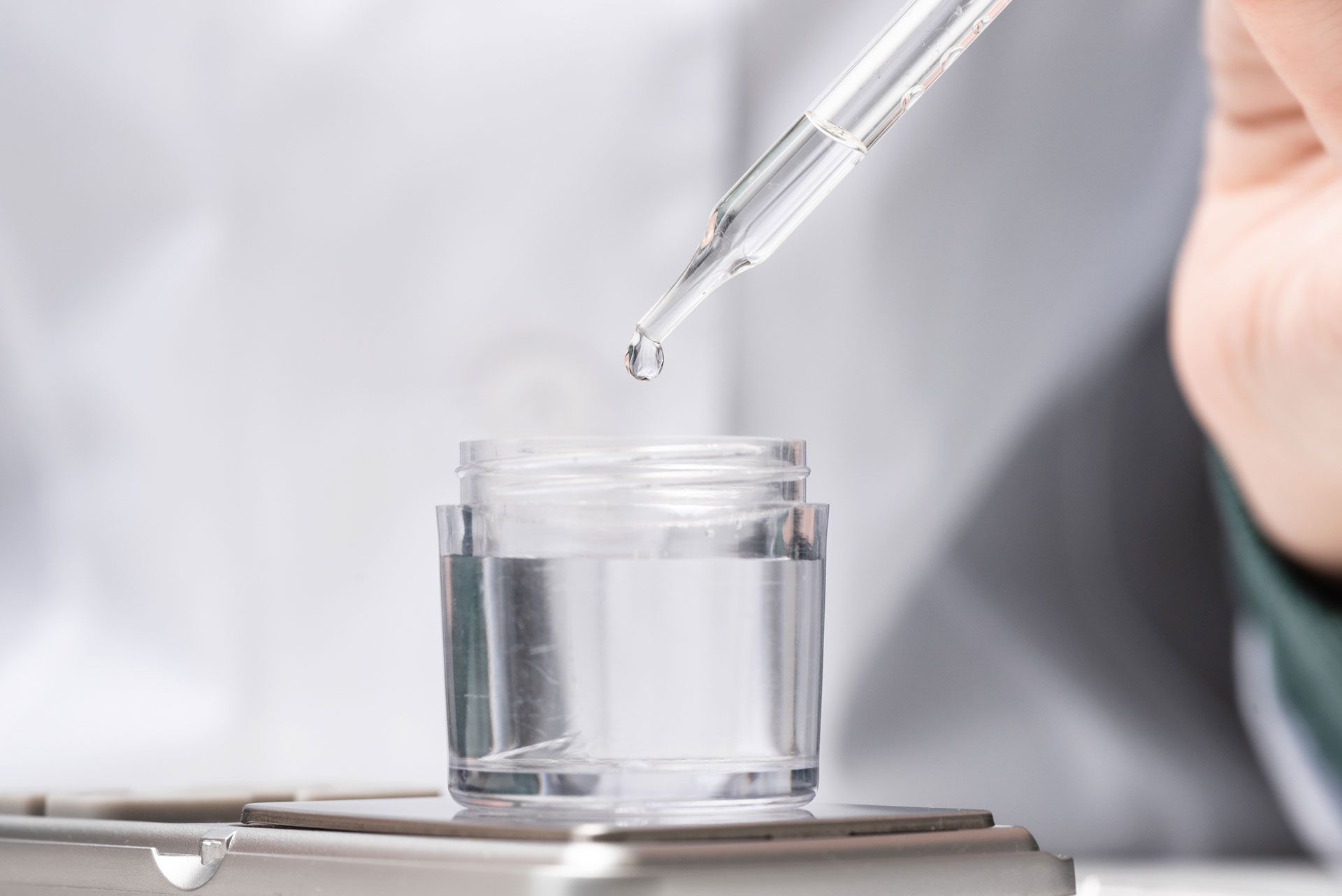
Trusted Water Quality & Testing in Torrington, WY
Water quality and testing are at the center of every public water system. South Torrington Water & Sewer District
conducts water quality testing to confirm that the water delivered to district customers meets federal drinking water standards. From routine bacteriological sampling to annual reporting, water quality and testing in Torrington, WY give residents the information they need to understand what flows from their taps and how it is monitored.
Contact South Torrington Water & Sewer District to request water quality and testing information for your Torrington, WY property.
How Water Quality and Testing Is Regulated in Wyoming
Public water systems follow the federal Safe Drinking Water Act. In Wyoming, oversight of public water systems is administered by the U.S. Environmental Protection Agency, Region 8, which sets monitoring schedules and reviews water quality testing results.
Regulated Contaminants
Federal rules establish limits for microbial contaminants, inorganic chemicals such as nitrate and arsenic, radionuclides, and other substances. Water quality and testing schedules vary by contaminant, with some sampled monthly and others on multi-year cycles.
Reporting Requirements
Results from water quality testing are submitted to regulators, and any violation triggers required public notice so customers can take appropriate precautions.
Types of Water Quality Testing the District Performs
Different tests answer different questions about the water system.
Bacteriological Sampling
Routine samples collected throughout the distribution system check for coliform bacteria. This is one of the most frequent forms of water quality and testing performed by public water systems.
Chemical and Mineral Testing
Periodic testing for nitrate, metals, and other chemical compounds helps confirm that source water and treated water remain within federal limits.
Lead and Copper Monitoring
Lead and copper typically enter water from household plumbing rather than the source. Monitoring at selected customer taps helps evaluate whether water is corrosive to plumbing materials.
Disinfection Monitoring
Where disinfection is used, residual levels are tracked to confirm water remains protected as it travels through the mains.
Bacteriological Sampling
Routine samples collected throughout the distribution system check for coliform bacteria. This is one of the most frequent forms of water quality and testing performed by public water systems.
Call South Torrington Water & Sewer District with questions about water quality and testing results in Torrington, WY.
The Annual Consumer Confidence Report
Each year, community water systems publish a Consumer Confidence Report summarizing water quality and testing results from the previous calendar year.
What the Report Includes
The report identifies water sources, lists detected contaminants, compares levels to federal limits, and explains any violations. It is the most complete public summary of the district's water quality and testing program.
How to Get a Copy
Customers can request the current report from the district office. Landlords are encouraged to share the report with tenants.
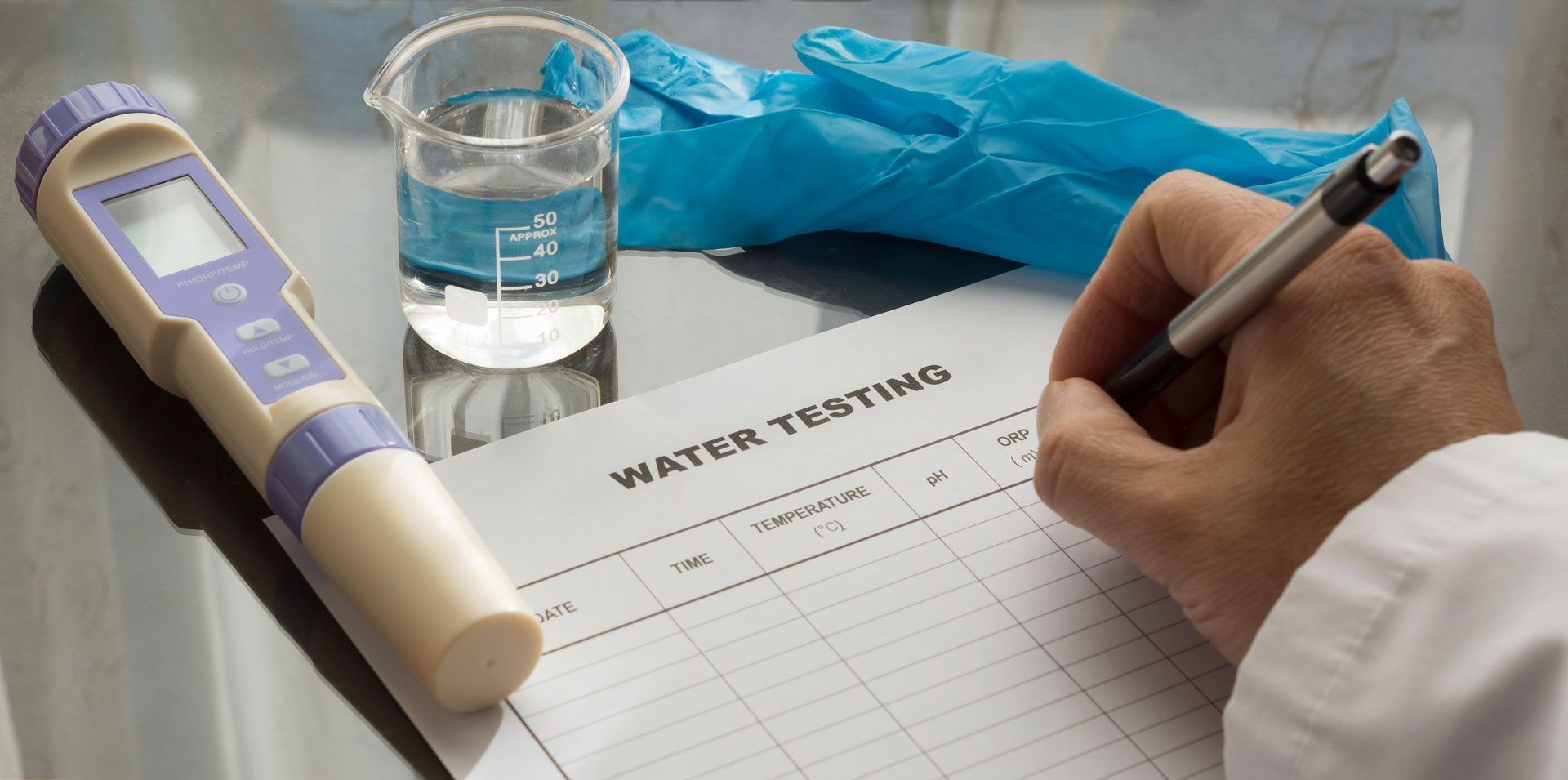
Common Water Quality Concerns at Home
Many water quality questions involve conditions inside the home rather than the public system.
[01]
Taste and Odor
A chlorine taste can result from disinfection. A rotten-egg smell from hot water only often points to a water heater issue rather than a system problem.
[02]
Cloudy or Discolored Water
Cloudy water usually comes from trapped air and clears in a few minutes. Discoloration after flushing or main repairs typically clears after running cold water.
[03]
Scale and Hardness
White mineral buildup on fixtures is a sign of hard water. Hardness is a common aesthetic characteristic and is not a health concern.
[04]
When to Request Additional Testing
If you notice persistent changes in taste, color, or odor, contact the district. Private well owners outside the district should arrange their own water quality testing through a certified laboratory.
Reach out to South Torrington Water & Sewer District today to report a water quality concern or ask about testing in Torrington, WY.
Water Quality & Testing FAQs
How often does the district perform water quality testing?
Testing frequency depends on the contaminant and federal requirements. Bacteriological sampling occurs routinely, while some chemical testing follows longer cycles.
Who oversees water quality and testing for Wyoming public water systems?
The U.S. Environmental Protection Agency, Region 8, administers drinking water oversight for public water systems in Wyoming.
Where can I see the latest water quality and testing results?
The annual Consumer Confidence Report summarizes results. Contact the district office for a copy.
Can the district test the water in my home?
Contact the district to discuss your concern. In some cases, staff may recommend testing through a certified laboratory.
Is there lead in South Torrington's water?
Lead usually enters water from older household plumbing and fixtures. Lead and copper monitoring results appear in the annual report.
Why does my water smell like chlorine?
Disinfection can leave a mild chlorine scent. Chilling water in the refrigerator often reduces the taste and smell.
Is hard water unsafe to drink?
No. Hard water contains dissolved calcium and magnesium, which affect taste and scaling but are not a health risk.
What happens if a water quality test fails?
The district follows regulatory procedures, which may include resampling, corrective action, and public notification.
Should I use a home water filter?
Filters are a personal choice. Choose a filter certified for the specific contaminant you want to reduce and maintain it according to the manufacturer.
How will I be notified of a water quality problem?
Required public notices are issued through methods such as direct mail, door hangers, local media, or postings, depending on the situation.
Does boiling water remove all contaminants?
Boiling kills bacteria but does not remove chemicals such as nitrate. Always follow the specific instructions in any district advisory.